

If you’ve noticed lower energy, stubborn belly fat, reduced muscle mass, brain fog, weaker erections, or a declining sex drive, your testosterone levels may be playing a bigger role than you realize. Testosterone naturally declines as you age, often dropping by 1% to 2% each year after age 30. By your 50s and 60s, those levels can be significantly lower than they were during your prime years.
The good news is that you don’t always need medication, injections, or supplements to support healthy testosterone production. Science shows that certain lifestyle habits can send powerful signals to your body to naturally increase testosterone, improve sexual health, and restore confidence. By making a few strategic changes to your weekly routine, you can support hormone health and potentially experience noticeable improvements in energy, mood, libido, and erectile function.
How Resistance Training Helps Increase Testosterone Naturally
Your body responds to physical demands. When large muscle groups are challenged through resistance training, your body receives a signal that greater hormone production is needed to support muscle repair and growth. This process can stimulate natural testosterone production.
Research published in strength and conditioning journals has found that men who perform compound resistance exercises often experience higher testosterone levels compared to those who rely solely on cardio workouts. Compound movements recruit multiple muscle groups simultaneously, making them especially effective for hormone optimization.

Bodyweight Squats: The Best Exercise for Testosterone Production
Bodyweight squats are often considered one of the most effective exercises for naturally boosting testosterone. They engage the quadriceps, hamstrings, glutes, and core all at once, creating a strong hormonal response.
To perform a squat correctly:
- Stand with your feet shoulder-width apart and your toes slightly turned outward.
- Lower your body as if sitting into a chair, aiming to bring your thighs close to parallel with the floor.
- Push through your heels to return to standing.
For maximum benefit, lower yourself slowly over three seconds, pause briefly, and then rise in two seconds. Performing three sets of 10 to 15 repetitions three times per week can help support testosterone production while building strength and muscle.
Hip Hinges and Romanian Deadlifts for Hormone Health
The hip hinge movement targets the posterior chain, including the hamstrings, glutes, and lower back. When combined with squats, these exercises activate nearly every major muscle group in the lower body.
To perform a hip hinge:
- Keep a slight bend in your knees.
- Push your hips backward while maintaining a straight back.
- You should feel a stretch in the back of your legs before driving your hips forward to stand upright again.
Romanian deadlifts are one of the most effective variations of this movement, especially for men over 50 looking to support testosterone levels and maintain strength. Aim for three sets of 10 to 12 repetitions during the same workout session as your squats.
Walking for Testosterone, Erectile Function, and Stress Reduction
Walking may seem simple, but it can play an important role in supporting healthy testosterone levels. One reason is its impact on cortisol, the body’s primary stress hormone.
High cortisol levels can suppress testosterone production and negatively affect erectile function. Regular moderate-intensity walking helps reduce stress and lower cortisol, creating a more favorable environment for hormone balance.
Research suggests that men who consistently achieve around 7,000 steps per day tend to have healthier testosterone levels than those who are less active. Reaching this goal doesn’t require intense exercise. Parking farther away, taking the stairs, and adding a short walk after dinner can make a meaningful difference.
Why 7,000 Daily Steps Is the Sweet Spot
Many people focus on reaching 10,000 steps daily, but evidence suggests that approximately 7,000 steps can provide significant health benefits while remaining realistic and sustainable.
A moderate walking pace is ideal. You should be able to hold a conversation while walking, but speaking continuously should require some effort. Consistency is more important than intensity when it comes to long-term hormone health.
The Surprising Testosterone Secret: Exercise Timing
One of the most overlooked factors in natural testosterone optimization is when you exercise.
Studies have shown that men who perform resistance training in the morning, particularly between 7 a.m. and 10 a.m., may experience a greater testosterone response than those who perform the same workout later in the day.
Why Morning Workouts Can Increase Testosterone More Effectively
Your body’s natural hormone rhythms may help explain this effect. Cortisol levels are naturally highest in the morning. When resistance training is performed during this window, the body may amplify its testosterone response.
Research has found that morning exercisers can experience significantly greater post-workout testosterone increases compared to evening exercisers performing identical routines. Some studies have reported up to a 30% greater testosterone spike following morning workouts.
This makes workout timing an important part of a comprehensive testosterone-boosting strategy.
Your Complete Natural Testosterone Protocol
If your goal is to naturally increase testosterone, improve erectile function, and enhance overall vitality, combining these habits creates a powerful foundation.
Perform bodyweight squats for three sets of 10 to 15 repetitions and hip hinges or Romanian deadlifts for three sets of 10 to 12 repetitions three times per week. Walk approximately 7,000 steps daily to support stress management and hormone balance. Schedule resistance training sessions between 7 a.m. and 10 a.m. whenever possible to maximize your body’s testosterone response.
When followed consistently, this combination may help improve energy levels, muscle strength, libido, mood, and erectile quality over time.
How Long Does It Take to See Results?
Many men begin noticing improvements in energy and sleep quality within two to three weeks of consistently following these habits. Between four and six weeks, mood, motivation, libido, and erectile function may begin to improve.
With eight to twelve weeks of consistency, blood work may show measurable improvements in testosterone levels. Long-term commitment is often the key to sustaining these benefits and supporting overall men’s health.
Final Thoughts
You don’t need complicated routines or extreme measures to support healthy testosterone levels. By focusing on compound resistance training, daily walking, stress reduction, and strategic workout timing, you can provide your body with the signals it needs to optimize hormone production naturally.
Consistency is the driving force behind lasting results. Small actions performed regularly can lead to meaningful improvements in testosterone, energy, confidence, sexual health, and overall quality of life.
Frequently Asked Questions (FAQs)
How can I naturally increase my testosterone levels?
You can support testosterone production through resistance training, daily walking, stress management, and exercising in the morning. Consistency is essential for long-term results.Can walking really help improve testosterone?
Yes. Walking helps reduce cortisol levels, which can interfere with testosterone production and sexual health. A daily goal of 7,000 steps may provide meaningful benefits.Should I exercise in the morning to boost testosterone?
Research suggests that resistance training between 7 a.m. and 10 a.m. may produce a stronger testosterone response than evening workouts. Morning exercise may help maximize hormone optimization.How long will it take before I notice improvements?
Many men notice better energy and sleep within two to three weeks. More noticeable improvements in libido, mood, and erectile function often occur after several weeks of consistent effort.Can exercise help with erectile dysfunction?
Regular exercise can improve blood flow, hormone balance, and overall cardiovascular health, all of which support erectile function. It may be a valuable part of a broader men’s health strategy.
Additional Resources
Curious about how you can boost your bedroom game and build lasting confidence? Check out the Get Wood Now Boost course and start your journey to feeling like yourself again!
Ready to take control of your penile health? Enhance blood flow, prevent atrophy, and ensure long-term functionality with the penis pump. So, don’t wait – invest in your health today and experience the benefits! Click here to purchase your pump now!
Join me on a sexual revolution to empower men and women to regain our sexual power. The Modern Man Club is a place where I share my research-based secrets for sexual performance without medication or surgery.
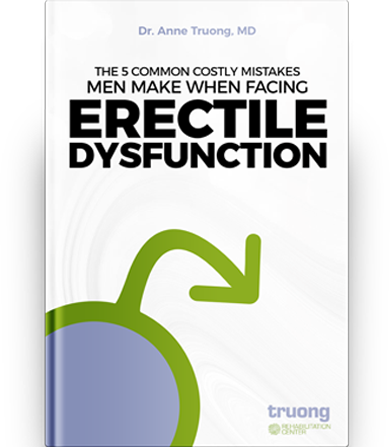
The book is the 5 Common Costly Mistakes Men Make When Facing ED. This is how you can have a rock-hard erection, enjoy more sex, be confident in demand, and improve your intimacy without ED medication. Uncover it all in my FREE eBook available to download now: The 5 Common Costly Mistakes Men Make When Facing Erectile Dysfunction.








Reader Interactions