If you’ve had prostate surgery and still struggle with erectile dysfunction, you may be wondering why your symptoms haven’t fully improved. Many men are surprised to learn that restoring urination is not always the same as restoring sexual function.
When an enlarged prostate grows far beyond its normal size, it can affect nerves, blood flow, hormone balance, and overall pelvic health. Understanding the relationship between prostate enlargement and erectile dysfunction can help you take a more complete approach to recovery.
In this post, discover how an enlarged prostate may contribute to ED, why medications like Viagra may not always work, and what lifestyle and supportive therapies may help improve prostate health, circulation, and erectile function.
How an Enlarged Prostate Can Lead to Erectile Dysfunction
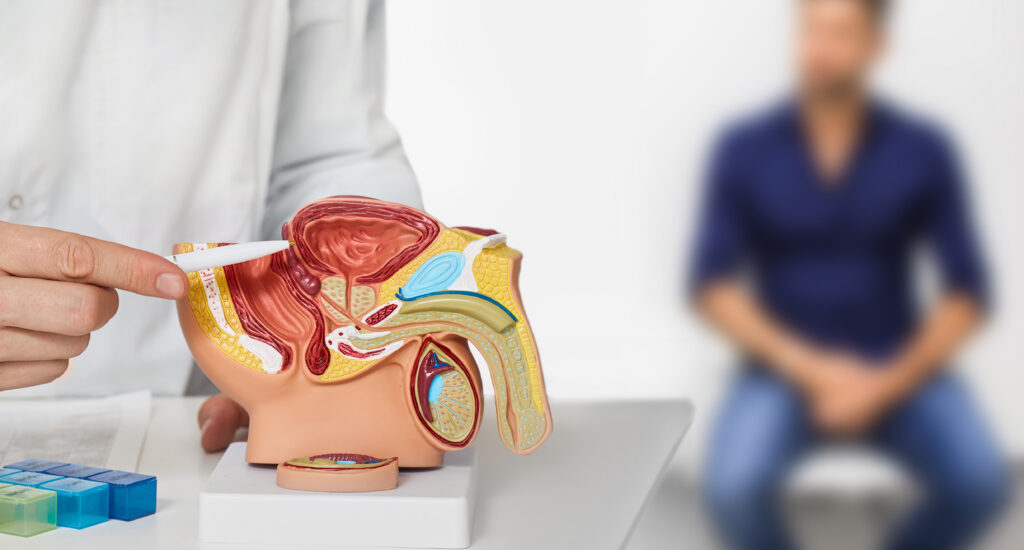
A healthy prostate is typically about the size of a walnut and weighs around 30 grams. When the prostate becomes significantly enlarged, it can place pressure on nearby structures, including the urethra, bladder, and nerves involved in sexual function.
As prostate enlargement progresses, you may experience symptoms such as difficulty urinating, urinary urgency, weak urine flow, and incomplete bladder emptying. However, the impact may extend beyond urinary symptoms. Increased pressure around the pelvic region can potentially affect nerve pathways associated with erections. When nerve communication becomes impaired, achieving or maintaining an erection can become more challenging.
Why TURP Surgery May Not Fully Resolve Erectile Dysfunction
Transurethral resection of the prostate (TURP) is a common procedure used to relieve urinary obstruction caused by benign prostatic hyperplasia (BPH). During the procedure, excess prostate tissue that blocks urine flow is removed.
While TURP can significantly improve urination, it does not always address every factor contributing to erectile dysfunction. If prostate enlargement, inflammation, vascular issues, hormonal imbalances, or nerve irritation remain present, erectile function may continue to be affected even after surgery.
This is why some men notice improved urinary symptoms after TURP but still struggle with erections.
The Connection Between Prostate Inflammation and Prostate Enlargement
Prostate enlargement is often linked to ongoing inflammation. Several health factors may contribute to chronic prostate irritation and growth over time.
High cholesterol, elevated blood pressure, poor blood sugar control, obesity, and sedentary lifestyles can all negatively impact prostate health. These same conditions are also strongly associated with erectile dysfunction because they reduce healthy blood flow throughout the body.
When blood vessels become damaged or circulation decreases, both prostate function and erectile performance can suffer.
Why Viagra May Not Work for Some Men with Enlarged Prostate
Many men assume that erectile dysfunction medications are the complete solution to ED. While medications such as Viagra can help improve blood flow within penile tissues, they may not address underlying causes of erectile dysfunction.
If nerve compression, prostate enlargement, hormone imbalances, or poor vascular health are contributing factors, blood flow medications alone may provide limited results.
This helps explain why some men experience only partial improvement or no improvement at all despite taking ED medications regularly.
How to Improve Your Prostate Health
One of the most frequently recommended lifestyle approaches for prostate health and cardiovascular wellness is the Mediterranean diet.
This eating pattern emphasizes vegetables, fruits, fish, olive oil, nuts, legumes, and whole grains while limiting processed foods, refined sugars, and unhealthy fats.
By improving cholesterol levels, reducing inflammation, supporting blood pressure management, and helping control blood sugar, the Mediterranean diet may benefit both prostate health and erectile function.
For many men, improving overall metabolic health is a critical step toward better sexual performance.
Exercise and Blood Flow
Regular physical activity improves circulation throughout the body and supports healthy vascular function.
Engaging in moderate exercise for at least 30 minutes three to four times per week may help improve blood pressure, cholesterol levels, insulin sensitivity, and cardiovascular health. These benefits directly influence the body’s ability to maintain healthy blood flow necessary for erections.
Exercise also supports weight management and reduces inflammation, both of which may help alleviate factors associated with prostate enlargement.
Nitric Oxide
Nitric oxide is one of the most important molecules involved in achieving and maintaining erections. It helps relax blood vessels and improves circulation to penile tissues.
As men age, natural nitric oxide production may decline. This reduction can make it more difficult to achieve strong erections, even when desire remains intact.
Some supplements are designed to support nitric oxide production. Certain products provide ingredients that the body must convert into nitric oxide, while others may contain direct nitric oxide sources intended to support circulation more rapidly.
Regardless of the approach, maintaining healthy nitric oxide levels remains a key component of erectile health and vascular function.
The Role of Testosterone in Prostate Enlargement
Hormonal balance plays a major role in prostate health. Both low testosterone and excessively high testosterone levels may contribute to prostate irritation in some men.
Another important hormone is dihydrotestosterone (DHT), a powerful derivative of testosterone. Elevated DHT levels have long been associated with prostate growth and enlargement.
If you’re receiving testosterone replacement therapy, regular monitoring of testosterone and DHT levels may be important. Keeping hormones within healthy ranges can help support prostate health while reducing the risk of further enlargement.
Can Penis Pumps Support Erectile Function Recovery?
Penis pumps are commonly used as part of penile rehabilitation programs, particularly after prostate procedures or during ED treatment.
These devices work by creating a vacuum that draws blood into the penis. Regular use may help support circulation, preserve tissue health, and encourage oxygen-rich blood flow to erectile tissues.
For men experiencing erectile dysfunction after prostate-related treatments, penis pumps may serve as a useful non-drug option to support recovery and sexual health.
A Full Body Approach to Enlarged Prostate and ED
Managing erectile dysfunction often requires more than focusing on a single symptom. Prostate health, cardiovascular health, hormone balance, nerve function, blood flow, and lifestyle habits all work together.
When you address inflammation, improve circulation, optimize hormones, maintain a healthy diet, exercise consistently, and work with your healthcare provider to monitor prostate health, you create a stronger foundation for both urinary function and sexual wellness.
Final Thoughts
An enlarged prostate can affect far more than urination. Significant prostate growth may contribute to erectile dysfunction through nerve compression, inflammation, hormone imbalances, and reduced blood flow. While TURP surgery can improve urinary symptoms, additional strategies may be needed to address the root causes of ED.
By focusing on prostate health, exercise, and healthy circulation, you can take meaningful steps toward improving both urinary function and erectile performance.
Frequently Asked Questions (FAQs)
How can I tell if my enlarged prostate is affecting my erections?
If you have both urinary symptoms and erectile dysfunction, prostate enlargement may be one contributing factor. A healthcare provider can help determine whether nerve, hormone, or blood flow issues are involved.Why doesn’t Viagra work well for me after prostate surgery?
Viagra primarily improves blood flow. If nerve irritation, hormone imbalances, or ongoing prostate issues are contributing to ED, medication alone may not fully resolve symptoms.Should I get my testosterone and DHT levels checked?
Yes. Hormone testing can help identify imbalances that may affect both prostate health and erectile function, especially if you’re using testosterone therapy.Can exercise really improve erectile dysfunction?
Yes. Regular exercise improves circulation, cardiovascular health, blood pressure, and blood sugar control, all of which support healthier erectile function.Can a Mediterranean diet help my prostate health?
Yes. The Mediterranean diet may reduce inflammation and improve heart health, cholesterol levels, and blood flow, which can benefit both prostate function and erectile performance.
Additional Resources
Curious about how you can boost your bedroom game and build lasting confidence? Check out the Get Wood Now Boost course and start your journey to feeling like yourself again!
Ready to take control of your penile health? Enhance blood flow, prevent atrophy, and ensure long-term functionality with the penis pump. So, don’t wait – invest in your health today and experience the benefits! Click here to purchase your pump now!
Join me on a sexual revolution to empower men and women to regain our sexual power. The Modern Man Club is a place where I share my research-based secrets for sexual performance without medication or surgery.
The book is the 5 Common Costly Mistakes Men Make When Facing ED. This is how you can have a rock-hard erection, enjoy more sex, be confident in demand, and improve your intimacy without ED medication. Uncover it all in my FREE eBook available to download now: The 5 Common Costly Mistakes Men Make When Facing Erectile Dysfunction.